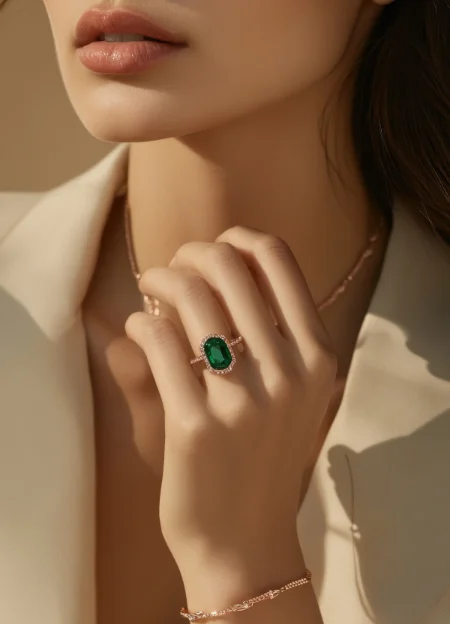
This page is a handy guide to help you through your jewellery journey, packed with information, advice and ideas to help make your decision process easier and well informed. Here you’ll find details on diamonds, gemstones, metals and more. We’ve tried to keep it as concise as possible so as not to bore you, without sparing the important details.
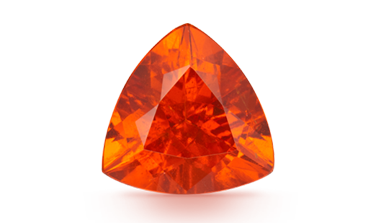
As the birthstone for January, Garnet makes a thoughtful and meaningful gift, especially for birthdays, anniversaries, and special milestones. Whether set in classic gold, modern silver, or contemporary platinum, Garnet adds a warm and elegant touch to any jewellery collection.
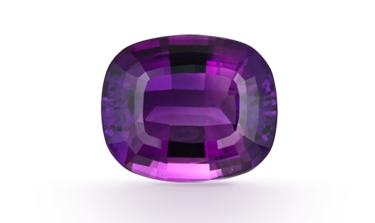
Amethyst is a stunning purple variety of quartz, cherished for both its beauty and its calming energy. Ranging from delicate lilac to deep violet, this gemstone has been admired for centuries and is often associated with peace, balance, and inner strength.
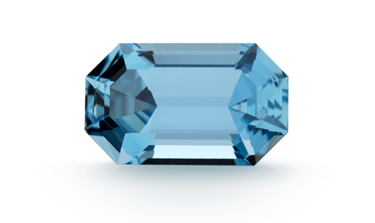
Aquamarine, the birthstone for March, is a captivating gemstone admired for its serene sea-blue colour. Its name comes from the Latin words aqua (water) and marina (of the sea), perfectly reflecting its refreshing ocean-like hue.
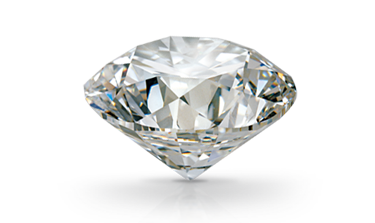
Diamonds are the most coveted gemstones in the world, admired for their unmatched brilliance, durability, and timeless elegance. Formed deep within the Earth under extreme heat and pressure, each diamond is a true miracle of nature, making it the ultimate symbol of love, commitment, and prestige.
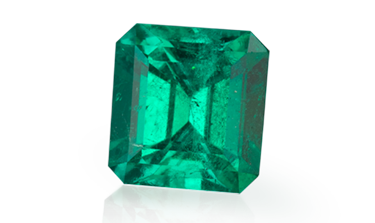
In addition to their beauty, Emeralds are believed to bring clarity of thought, emotional balance, and good fortune to the wearer. They are also the traditional birthstone for May and a popular gift for 20th and 35th wedding anniversaries.
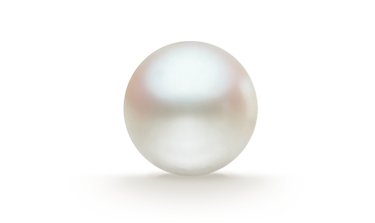
Timeless, elegant, and naturally radiant – the Pearl is one of the world’s most cherished gemstones. Unlike other gems formed in the earth, pearls are created organically within oysters and molluscs, making each one truly unique.
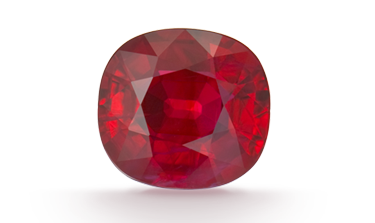
Often associated with romance, vitality, and confidence, Rubies are the birthstone for July and a traditional gift for 15th and 40th wedding anniversaries.
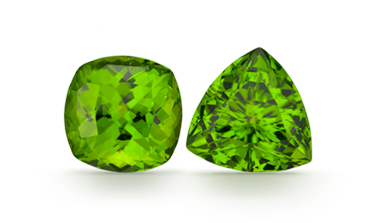
Peridot, often called the “gem of the sun,” is a striking green gemstone admired for its vibrant, fresh colour. With shades ranging from golden lime to deep olive, this natural beauty has been cherished for thousands of years, symbolising warmth, prosperity, and positivity.
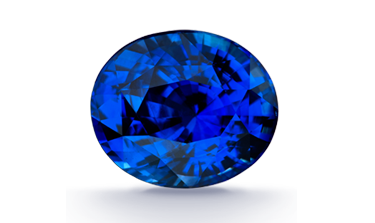
Sapphires are part of the corundum family and are second only to diamonds in hardness, making them an excellent choice for everyday wear in rings, earrings, and pendants. While deep royal blue is the most popular shade, sapphires can also be found in a stunning spectrum of colours, including pink, yellow, and green.
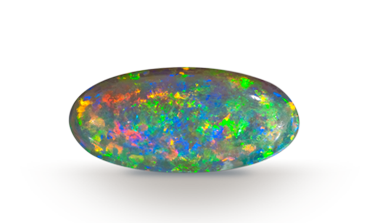
Opal is one of the most captivating gemstones, admired for its dazzling play-of-colour that shimmers in every light. Each Opal is truly unique, displaying flashes of rainbow hues ranging from deep blues and greens to fiery reds and oranges.
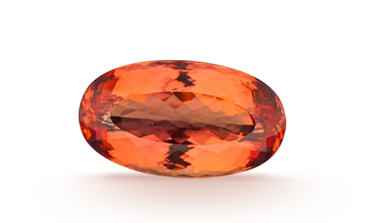
Topaz is a striking and versatile gemstone, admired for its brilliant sparkle and wide range of natural colours. Found in shades from golden yellow and deep orange to icy blue, pink and even colourless, Topaz is loved for its clarity and timeless elegance.
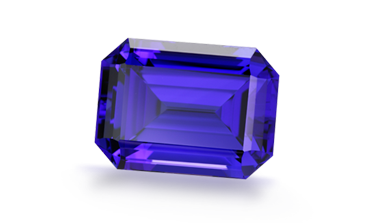
A birthstone for December and often gifted to celebrate 24th wedding anniversaries, Tanzanite carries deep symbolic meaning. It is believed to represent transformation, spiritual growth, and new beginnings.
A gemstone is a naturally occurring or lab-created mineral, rock, or organic material that is cut and polished for use in jewelry and ornamentation. Gemstones are valued for their beauty, rarity, durability, and cultural significance.
Gemstones form under various geological conditions deep within the Earth’s crust and mantle. They can develop through:
Each gemstone has a unique formation history.
They have the same chemical composition and physical properties, but lab-created stones are usually more affordable and may have fewer inclusions.
The "4 Cs" are the primary quality factors used to evaluate gemstones:
These criteria help determine beauty and value.
Gemstone durability varies. The Mohs scale of hardness measures scratch resistance from 1 (soft) to 10 (hard). For example:
Softer gemstones may require more careful wear and care.
Treatments are processes applied to enhance a gemstone's appearance, such as:
Treatments should always be disclosed at the time of sale.
Authenticating gemstones often requires professional evaluation. General tips include:
Avoid relying solely on visual inspection at home.
Reputable certificates include detailed information about:
Traditionally:
Today, value is based more on rarity and demand than on this classification.
Care tips include:
Specific care varies by gemstone type.
Many cultures believe gemstones hold energies or symbolic meaning. While these beliefs are popular in spiritual and wellness communities, they are not scientifically proven.
Color comes from trace elements or structural features within the crystal. For example:
Each stone’s chemistry creates its unique color.
Value is influenced by:
Well-cut, untreated stones with excellent color usually command higher prices.
Receive our latest offers, news and promotions straight to your inbox. Just enter your email address to join our world of diamonds!